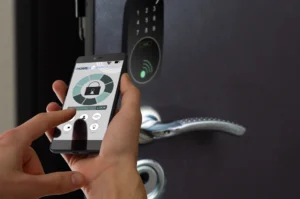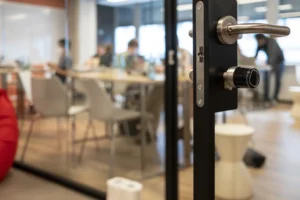
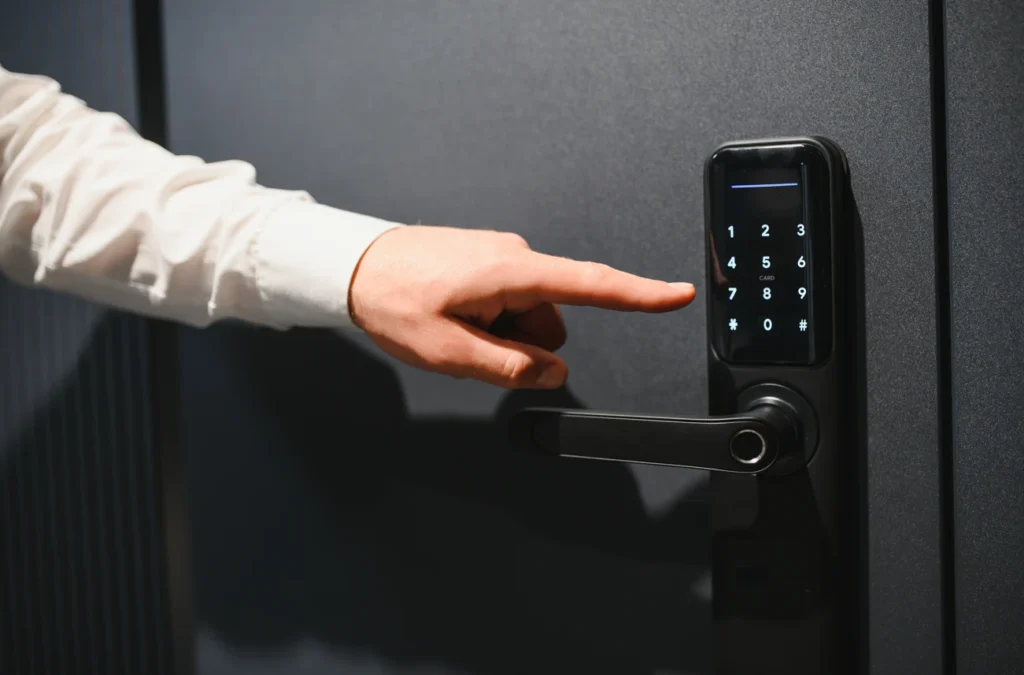
Smart home security has moved far beyond simple keypads and door sensors. As we step into 2026, smart locks are becoming one of the fastest-growing upgrades in American homes. Whether homeowners are enhancing convenience, boosting security, or integrating their homes with voice-controlled systems, the new generation of smart locks reflects a major shift in how people think about home protection. Modern buyers aren’t just looking for stronger hardware; they want smarter systems. And this is exactly why the demand for professional installation from a residential locksmith continues to climb.
Below are the most significant smart lock trends shaping home security in 2026.
Biometric Access Is Becoming Mainstream, Not Luxury
Fingerprint locks used to feel like something only tech enthusiasts or high-end properties could afford. In 2026, biometric access has crossed into the mainstream market.
Why it’s taking over:
- Zero reliance on keys or passcodes that can be shared or forgotten
- High accuracy with advanced sensors that detect real vs. fake fingerprints
- Faster authentication – most systems open in under a second
- Multiple profiles so families can assign unique access
Manufacturers have significantly improved sensor durability, making biometric locks more reliable in harsh climates, dusty environments, and high-usage doors. The latest models even work with damp or slightly dirty fingers, solving one of the biggest complaints of earlier versions.
For parents, this trend is a game-changer. Kids no longer have to carry keys, and parents receive instant alerts when they arrive home.
Multi-Layered Authentication Is Replacing Single-Access Systems
The era of one code unlocks everything is ending. In 2026, homeowners want layered protection.
The new trend:
Smart locks now combine two or more security factors:
- Pin code + smartphone proximity
- Fingerprint + voice verification
- App authentication + temporary QR access
This layered approach mirrors the same standard used in the banking and medical industries. Break-ins have increasingly involved code guessing or digital cloning, so multi-factor authentication lowers risks significantly.
It also solves a major household challenge: giving trusted access to housekeepers, contractors, or guests without compromising the main code. Temporary access windows, auto-expiring credentials, and user-specific tracking are now standard features.
Also read: How Much Does a Locksmith Cost in Washington DC?
AI-Enhanced Lock Behavior and Threat Detection
Smart locks with built-in AI learning have become one of the defining home-security innovations of 2026. These systems analyze patterns—like what time doors are usually unlocked, who typically enters, or how long the door stays open.
What AI-driven locks can now do:
- Detect unusual unlocking attempts
- Flag suspicious activity and notify homeowners instantly
- Automatically activate “high security mode” when behavior seems off
- Adjust auto-lock settings based on household movement
For example, if a door is unlocked at 3 AM, a time the system knows is outside normal patterns, the lock can trigger lights, send alerts, or activate alarms. This shift from reactive to proactive security is one of the biggest leaps in home protection.
Seamless Integration With EVs, Smart Appliances, and Home Ecosystems
Smart locks no longer operate as isolated devices. In 2026, they will be built for whole-home synchronization.
Current integrations include:
- Automatically unlocking when your electric vehicle enters the driveway
- Syncing with smart ovens, thermostats, and lighting
- Triggering indoor cameras upon entry
- Pairing with Amazon Alexa, Google Home, and Apple HomeKit
As connected living gets more advanced, homeowners expect their security to blend naturally with the rest of their lifestyle. Touch-free entry using geofencing is now far smoother and far more accurate than the earlier versions that often lagged or misread locations.
Battery-Free or Solar-Assist Smart Locks
Power failures have always been a major drawback for electronic locks, but 2026 is changing that.
Emerging power trends:
- Kinetic-powered smart locks that charge through door movement
- Small solar strips are built into the top of the lock
- Long-lasting rechargeable packs with up to 18-month cycles
- USB-C emergency override ports
Eco-friendly homeowners love these features, and rural homes benefit from reliable non-grid backup options. Battery-free systems also reduce maintenance, something homeowners deeply appreciate.
Stronger Protection Against Digital Break-Ins
As smart devices increased, so did hacking attempts. By 2026, lock manufacturers will have visibly strengthened cybersecurity standards.
Security upgrades include:
- Military-grade encryption
- Enforced password complexity
- Auto-logout and session limits
- Encrypted Bluetooth Low Energy for safer proximity unlocks
- Anti-relay and anti-spoofing technology
Modern smart locks now undergo regular firmware updates that roll out much like smartphone security patches. These updates close vulnerabilities quickly and help ensure long-term protection.
This has pushed more homeowners to rely on trained house locksmith professionals for installation, since incorrect setup can expose digital entry points.
Growth of Smart Deadbolts With Mechanical Backup
Despite the rise of digital convenience, homeowners still value the assurance of physical strength. That’s why hybrid systems, digital electronic locks paired with reinforced metal deadbolts, are booming.
Benefits:
- Digital convenience with physical security
- Reduced risk if software malfunctions
- Higher resistance against forced entry
- Compliance with insurance requirements
Many manufacturers now advertise smart-mechanical dual systems as their flagship models. Home buyers also view hybrid locks as a selling point for property value.
Remote Lock Management Is Becoming the Norm
Remote locking was once just a bonus. In 2026, it has become a non-negotiable feature.
Popular uses include:
- Letting in guests from anywhere
- Checking if doors are locked after leaving for work
- Locking doors remotely if a family member forgets
- Monitoring access history in real time
For frequent travelers or dual-income families, this capability offers unmatched peace of mind.
2026 Is the Year of Smarter, Safer Homes
Homeowners are no longer satisfied with basic digital access; they want biometric precision, smarter alerts, mechanical backup, and seamless home integration. If you also want to upgrade your home security with smart locks, Payless Locksmith DC is at your service. Our locksmiths are experienced in installing smart locks at your property. They use premium quality locks to guarantee the best results.
Call us now and get a free quote.