Are you planning to switch from traditional locks to digital ones, and are you wondering whether digital door locks are safer than traditional locks? Then this blog is for you. In this blog, I explain everything and share local insight for people in Washington, D.C. who are considering installing digital locks. You will learn what each type does, how secure they are, and how to make the right decision for your home or business.
What Are Traditional Locks?
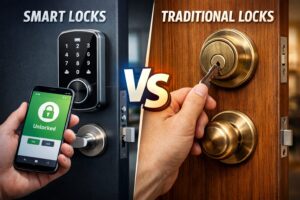
Traditional locks are the kind most people know well. They work with a physical key that you insert and turn to lock or unlock your door. These locks have been used for hundreds of years, and they are simple to use. They do not need electricity or batteries to work, and they usually cost less than digital systems. However, traditional locks have some limits. Many burglars use tools that let them pick or bump the lock open without a key. Even strong deadbolts can be forced with enough time and skill.
Traditional locks still offer good basic security, but they do not come with remote access, activity alerts, or access logs. You cannot monitor who unlocked your door while you were away.
What Are Digital Door Locks?
Digital door locks are modern locking systems that use electronic technology instead of old-fashioned keys. You might unlock your door with a PIN code, a fingerprint, a phone app, or a key card. Some digital locks can connect to your smartphone or home security system. Many models even let you lock or unlock your door from anywhere.
These locks run on batteries and sometimes on your home WiFi. You do not need a physical key most of the time. If you ever lose your phone or forget a code, many digital locks let you reset access quickly without changing the whole lock.
Also read: Why Every Washington DC Business Needs a Master Key System?
Security Comparison: Digital vs Traditional
Now, let us compare the safety of both types of locks step by step.
Physical Safety
Traditional locks rely only on physical strength and the quality of metal. A strong deadbolt is hard to break, but experienced thieves can still attack it with tools. Digital locks hide the keyhole or remove it altogether. This makes it harder for burglars to pick or bump the lock. Many digital locks also include tamper alarms that notify you when someone tries to force the lock.
Lost Keys vs Access Codes
In traditional locks, losing your key means you must change the lock or rekey it. This is often expensive and slow. Digital locks eliminate this problem. If you change or delete an access code, the old one no longer works. You also do not need to worry about someone copying your key.
Remote Monitoring and Control
One big advantage of digital locks is that you can check and control your lock from a distance. You can see who entered your house and when. You can give temporary access to guests or workers through a code or phone app. Traditional locks offer no way to know who used the key unless you were home.
What About Power and Failures?
Digital locks need power to run. Most use batteries, and if the battery dies, your lock may stop working. That is why good digital locks come with backup power options or physical key backups just in case. Traditional locks are always ready because they do not rely on batteries.
Power failure or technology glitches are possible, but most digital systems alert you before the battery runs out, and they are designed to keep working without internet. Still, you must maintain your lock and replace batteries regularly.
Cyber and Digital Security
Some people worry about digital locks being hacked. It is true that connected devices can have security risks if you do not secure your network or keep software updated. But good quality digital locks use strong encryption and security protocols. They often block unauthorized attempts and send alerts if something suspicious happens.
This means that digital locks can be just as safe as, or even safer than, traditional locks if you follow best practices like choosing strong codes, updating firmware, and using secure networks.
Convenience and Everyday Use
Digital locks offer unmatched convenience. You do not carry keys anymore. You unlock your door with your phone or a PIN code. You can also program temporary codes for guests, delivery workers, or family members. You can change these codes easily whenever you want.
Traditional locks depend entirely on physical keys. If you lock yourself out, you need a locksmith to open your door or break a key in. That is not only stressful but can cost extra money and time.
Which Door Lock Is Right for You?
The answer depends on your priorities. If you want advanced control, remote access, convenience, and modern security features, digital locks are a great choice. If you prefer simple, tried and tested mechanical protection with no technology worries and lower upfront cost, traditional locks are still solid. For many people in Washington, D.C., a mix of both offers the best protection. For example, a strong physical deadbolt combined with a digital lock gives layered security.
Why Professional Installation Matters?
No matter which lock you choose, proper installation is crucial. A poorly installed lock has weak security, no matter how advanced it is. That is where trusted professionals make the difference.
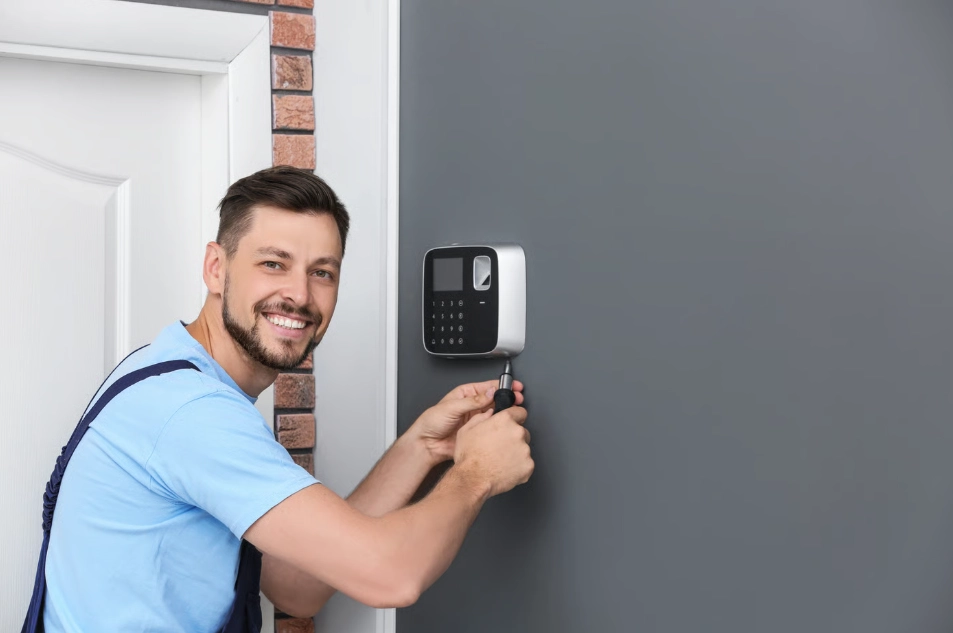
For local homeowners and business owners in this area, digital lock installation in Washington, DC, done by experts, ensures the lock fits perfectly, works reliably, and integrates smoothly with your door and entry system. Poor installation can leave gaps that make your lock easier to bypass.
When you choose our team at Payless Locksmith DC, we bring years of experience and local knowledge to every job. We install digital door locks with precision, test every feature, and explain how to use each function. This service gives you peace of mind that your security system truly protects your home or business.