Choosing the right lock for your home or business is one of the most important security decisions you’ll make. As technology continues to evolve, property owners now have more options than ever before. While traditional locks have protected homes and businesses for decades, smart locks are becoming increasingly popular due to their convenience and advanced features.
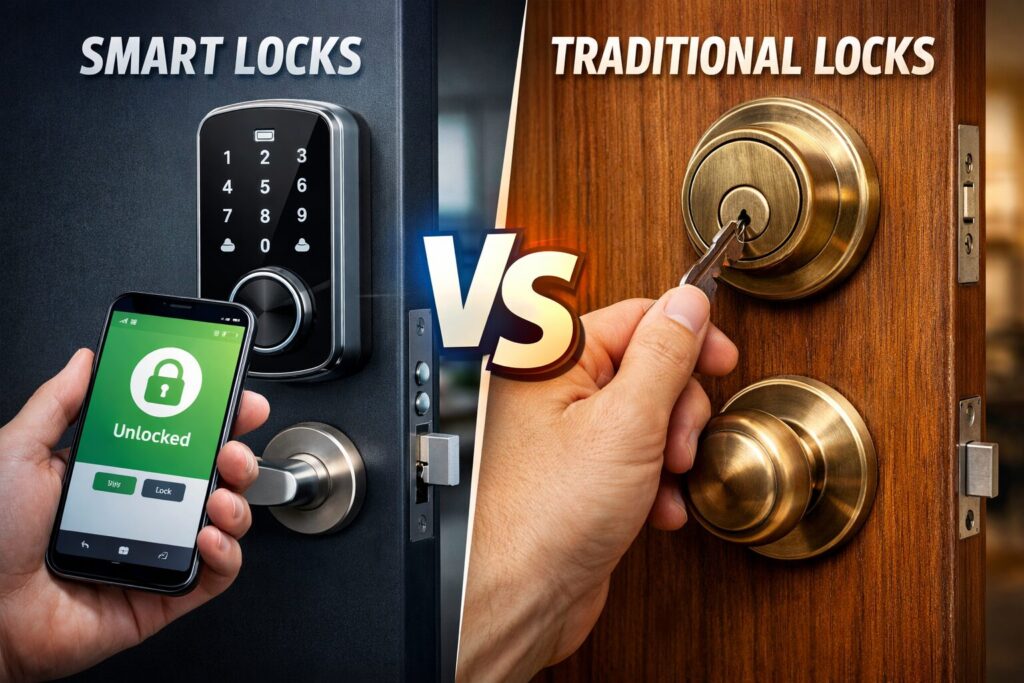
When comparing smart locks vs traditional locks, there is no one-size-fits-all answer. Each option offers unique advantages and potential drawbacks depending on your security needs, budget, and lifestyle. Some people prefer the simplicity and reliability of traditional locks, while others appreciate the convenience and flexibility that smart locks provide.
In this guide, we’ll compare smart locks and traditional locks in detail, examining their features, benefits, drawbacks, security considerations, and ideal use cases to help you make an informed decision.
What Are Smart Locks?
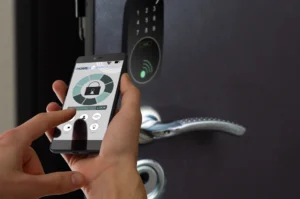
Smart locks are electronic locking systems that allow users to lock and unlock doors without relying solely on a traditional key. These locks often connect to smartphones, tablets, or home automation systems through Wi-Fi, Bluetooth, or other wireless technologies.
Depending on the model, smart locks may offer:
- Smartphone control
- Keypad entry
- Fingerprint recognition
- Voice assistant integration
- Remote locking and unlocking
- Temporary access codes
- Activity tracking and notifications
Smart locks have become increasingly popular among homeowners who want greater control over their property security and enjoy the convenience of keyless entry.
Many businesses also use smart locks because they make access management easier, especially when multiple employees require entry permissions.
Also Read: Signs Your Door Locks Need Immediate Replacement
What Are Traditional Locks?
Traditional locks are mechanical locking systems that operate using physical keys. They have been the standard method of securing doors for generations and remain one of the most widely used security solutions today.
Common types of traditional locks include:
- Deadbolt locks
- Knob locks
- Lever handle locks
- Mortise locks
- Cylinder locks
Unlike smart locks, traditional locks do not require batteries, internet connectivity, or electronic components. Their straightforward design and proven reliability continue to make them a popular choice for both residential and commercial properties.
High-quality traditional locks can provide excellent security when professionally installed and properly maintained.
Smart Locks vs Traditional Locks: Key Differences
Although both lock types serve the same primary purpose, their operation and features differ significantly.
Access Methods
Traditional locks require physical keys, while smart locks may use smartphones, PIN codes, fingerprints, or voice commands.
Technology
Traditional locks rely entirely on mechanical components. Smart locks combine mechanical security with electronic technology.
Convenience
Smart locks offer remote access and keyless entry, while traditional locks require users to carry physical keys.
Maintenance
Traditional locks generally require minimal maintenance. Smart locks may require battery replacements and occasional software updates.
Cost
Traditional locks are typically less expensive to purchase and install. Smart locks often involve a higher upfront investment.
User Control
Smart locks provide advanced access management features that traditional locks cannot offer.
Pros of Smart Locks
Smart locks have gained popularity because they offer several benefits that traditional locking systems cannot match.
Convenience
One of the biggest advantages of smart locks is convenience.
Many homeowners no longer need to carry physical keys. Instead, they can unlock their doors using a smartphone app, keypad code, or fingerprint scanner.
This can be especially useful when:
- Carrying groceries
- Managing multiple family members
- Allowing visitors access
- Traveling frequently
Remote Access
Many smart locks allow users to control access from virtually anywhere.
For example, if a family member forgets their code or needs access while you’re away, you can unlock the door remotely through a mobile application.
Temporary Access Codes
Smart locks make it easy to create temporary entry codes for:
- Guests
- House cleaners
- Contractors
- Dog walkers
- Vacation rental visitors
Once access is no longer needed, the code can be removed instantly.
Activity Monitoring
Many smart locks provide access logs that show when the door was locked or unlocked.
This feature helps homeowners monitor activity and verify who entered the property and when.
Smart Home Integration
Smart locks often integrate with:
- Smart doorbells
- Security cameras
- Voice assistants
- Home automation systems
This creates a connected security ecosystem that enhances convenience and control.
Cons of Smart Locks
Despite their advantages, smart locks are not perfect. They come with several potential drawbacks that homeowners should consider.
Battery Dependence
Most smart locks rely on batteries for operation.
Although batteries typically last several months, they eventually need replacement. Neglecting battery maintenance can create inconvenience.
Many models provide low-battery alerts, but users must still monitor power levels.
Higher Initial Cost
Smart locks generally cost more than traditional locks.
In addition to the lock itself, professional installation may increase the overall investment.
For budget-conscious homeowners, the additional cost may not always be justified.
Connectivity Issues
Certain smart lock features depend on Wi-Fi, Bluetooth, or internet connectivity.
Network disruptions may temporarily affect remote access features, although many locks still function locally during connectivity interruptions.
Learning Curve
Some users may find smart lock technology intimidating at first.
Older homeowners or individuals unfamiliar with smart home devices may require additional setup assistance.
Potential Technical Problems
Like any electronic device, smart locks can occasionally experience:
- Software glitches
- Connectivity issues
- App malfunctions
- Hardware failures
While these problems are relatively uncommon, they are important considerations when evaluating smart lock security and reliability.
Pros of Traditional Locks
Despite the rise of smart home technology, traditional locks remain a trusted security solution for millions of homeowners and businesses. Their simplicity and proven performance continue to make them a popular choice.
Proven Reliability
Traditional locks have been used for decades and have a long track record of reliability. Because they rely on mechanical components rather than electronic systems, they are less susceptible to technical failures.
When properly maintained, a quality deadbolt or high-security lock can provide years of dependable protection.
Simplicity
One of the biggest advantages of traditional locks is their straightforward operation. There are no apps to install, batteries to replace, or settings to configure.
Users simply insert a key and turn the lock.
Lower Cost
Traditional locks are generally more affordable than smart locks. Both the purchase price and installation costs are usually lower, making them a cost-effective option for many property owners.
No Batteries Required
Unlike smart locks, traditional locks do not depend on batteries or electricity. This eliminates concerns about power failures, dead batteries, or connectivity interruptions.
Wide Availability
Traditional locks are available in a wide range of styles, security levels, and price points. Whether you need a basic lock or a high-security deadbolt, there are numerous options available.
Cons of Traditional Locks
Although traditional locks offer many benefits, they also have limitations that smart locks are designed to address.
Lost or Misplaced Keys
One of the most common frustrations with traditional locks is dealing with lost keys.
A lost key can lead to:
- Lockouts
- Rekeying expenses
- Lock replacement costs
- Security concerns
Limited Access Control
Traditional locks offer very little control over who enters a property.
If multiple people need access, duplicate keys must be created and distributed, which can increase security risks over time.
No Remote Access
Unlike smart locks, traditional locks cannot be controlled remotely.
If someone needs access while you’re away, you’ll need to provide a physical key or meet them in person.
Easier Key Duplication
Depending on the lock type, traditional keys can often be duplicated easily. If unauthorized copies are made, property security may be compromised.
Fewer Convenience Features
Traditional locks focus solely on security and do not offer features such as access logs, mobile notifications, or smart home integration.
Recommended: Can a Locksmith Make a Key Without the Original?
Which Option Is Better for Homeowners?
The best choice for homeowners depends on their lifestyle and preferences.
Smart locks may be ideal for:
- Busy families
- Smart home users
- Frequent travelers
- Vacation property owners
- Homeowners who want keyless entry
Traditional locks may be ideal for:
- Budget-conscious homeowners
- Those who prefer simplicity
- Individuals uncomfortable with technology
- Properties where remote access isn’t needed
Many homeowners choose a hybrid approach by combining traditional deadbolts with smart lock technology for enhanced convenience and security.
Which Option Is Better for Businesses?
Businesses often have more complex access management needs than residential properties.
Smart locks can provide significant advantages for:
- Office buildings
- Retail stores
- Rental properties
- Multi-user facilities
- Businesses with employee turnover
Benefits include:
- User-specific access permissions
- Easy code changes
- Access tracking
- Remote management
Traditional locks remain a strong choice for smaller businesses that prioritize simplicity and lower costs.
Ultimately, the right solution depends on the size of the business, the number of users, and security requirements.
Cost Comparison: Smart Locks vs Traditional Locks
Cost is often a major factor when choosing between smart locks and traditional locks.
Purchase Cost
Traditional locks are generally less expensive than smart locks.
Basic mechanical locks can be very affordable, while smart locks typically involve a higher upfront investment due to their advanced technology.
Installation Cost
Professional installation costs vary depending on the lock type and complexity of the project.
Smart locks may require additional setup and configuration, which can increase installation expenses.
Maintenance Costs
Traditional locks typically require minimal maintenance beyond occasional lubrication or adjustments.
Smart locks may involve:
- Battery replacements
- Software updates
- Connectivity troubleshooting
Long-Term Value
While smart locks often cost more initially, their convenience and advanced features may provide greater value for some homeowners and businesses over time.
The best choice depends on your budget and desired level of functionality.
When Should You Upgrade Your Existing Locks?
Whether you currently use smart locks or traditional locks, certain situations may indicate it’s time for an upgrade.
Consider upgrading if:
- Your locks are outdated
- Security concerns have increased
- You’ve moved into a new property
- Keys have been lost or stolen
- Your locks are damaged or worn
- You want keyless entry features
- Your business requires better access management
Upgrading your locks can improve security, convenience, and peace of mind.
Why Choose Payless Locksmith?
When it comes to lock installation, replacement, and security upgrades, Payless Locksmith is committed to helping homeowners and businesses find the right solution for their needs.
- Professional lock installation services
- Expertise with both smart and traditional locks
- Residential and commercial locksmith solutions
- Reliable workmanship and customer service
- Security-focused recommendations
- Affordable and transparent pricing
Whether you’re upgrading to a smart lock or replacing an existing traditional lock, Payless Locksmith can help you make an informed decision and ensure proper installation.
Final Thoughts
The debate between smart locks vs traditional locks ultimately comes down to your individual priorities. Smart locks offer unmatched convenience, remote access, and advanced features, while traditional locks provide simplicity, reliability, and affordability.
Neither option is universally better than the other. The right choice depends on your budget, security goals, comfort with technology, and daily lifestyle needs. Many property owners find that both lock types can provide excellent protection when they are high-quality products installed correctly.
If you’re considering a lock upgrade and aren’t sure which option is best for your property, Payless Locksmith can help. Our experienced team can evaluate your security needs and recommend the right locking solution to keep your home or business safe and secure.
Frequently Asked Questions
Are smart locks safer than traditional locks?
Both can be highly secure when you choose quality products and have them professionally installed. Security depends more on lock quality and installation than on whether the lock is smart or traditional.
Can smart locks work without Wi-Fi?
Yes. Many smart locks use Bluetooth, keypads, or physical keys and can continue functioning even if Wi-Fi is unavailable. However, remote access features may be limited.
What happens if a smart lock battery dies?
Most smart locks provide low-battery warnings well before power runs out. Many models also include backup keys or emergency power options.
Can smart locks be hacked?
While no connected device is completely immune to cyber threats, reputable smart lock manufacturers use encryption and security protocols designed to protect against unauthorized access.
Do traditional locks require maintenance?
Yes. Traditional locks benefit from occasional lubrication, cleaning, and inspections to ensure smooth operation and long-term reliability.
Are smart locks worth the investment?
For homeowners and businesses that value convenience, remote access, and smart home integration, smart locks can be a worthwhile investment.
Can I install a smart lock on an existing door?
In many cases, yes. Most smart locks are designed to fit standard doors and can often replace existing deadbolts with minimal modifications.
Which lock type is best for businesses?
The best choice depends on the business. Smart locks are often beneficial for businesses that require access control and employee management, while traditional locks may be suitable for smaller operations with simpler security needs.