Getting locked out of your home is one of the most frustrating and stressful situations any homeowner can face. It usually happens at the worst possible time; late at night, during a busy morning, or right when you are in a rush. In most cases, people assume it is just bad luck, but home lockouts are usually the result of predictable habits, mechanical issues, or simple distractions.
In the Washington DC, many homeowners deal with residential lockouts every single day. The good news is that most of these situations are preventable once you understand the real causes behind them and take a few practical steps to avoid them.
This guide breaks down the most common reasons for home lockouts, explains how they happen in real life, and gives you clear prevention strategies. It also helps you understand when it is necessary to call a professional residential locksmith instead of trying risky DIY solutions.
What Is a Home Lockout?
A home lockout happens when you are unable to enter your house because you cannot access your keys or your lock system is not working properly. This can be due to lost keys, keys left inside the house, broken keys, malfunctioning locks, or electronic lock failures.
In most cases, homeowners need the help of a residential locksmith to regain access safely without damaging the door or lock system.
Why Home Lockouts Are So Common?
Home lockouts are more common today than ever before. Modern lifestyles are fast-paced, distracted, and heavily dependent on technology. Many people leave home in a hurry, juggle multiple responsibilities, or rely on smart locks that can fail unexpectedly.
Another major reason is that many homes use automatic locking systems. While these systems improve security, they also increase the chances of accidental lockouts.
Understanding the root causes can help you significantly reduce your risk.
Leaving Keys Inside the House
One of the most common reasons for home lockouts is leaving keys inside the house and stepping out.
Why it happens
People often leave keys inside when they are distracted, rushing to work, or handling multiple tasks at the same time. In many cases, homeowners place keys on tables, counters, or near the door and forget to pick them up.
Automatic locking doors make this situation worse. Once the door closes, it locks immediately, leaving no way to get back inside.
How to avoid it
Create a simple habit before leaving your home. Always check for your keys before closing the door. Some people use a mental checklist such as keys, phone, wallet before stepping outside.
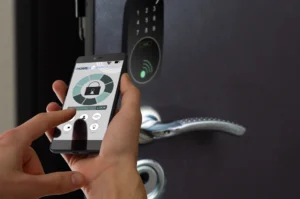
You can also install keypad locks or smart locks with backup access options. Another safe option is leaving a spare key with a trusted neighbor or family member.
Also Read: How Much Does an Emergency Locksmith Cost?
Losing or Misplacing Keys
Lost keys are another major cause of residential lockouts. This is especially common in busy households and urban environments.
Why it happens
People often carry multiple keys, place them in different pockets, or leave them in bags without a fixed routine. Over time, this leads to misplacement.
A lack of a dedicated storage location at home also contributes to the problem.
How to avoid it
Assign a fixed location for your keys, such as a hook near the entrance. This builds a strong habit and reduces the chance of misplacement.
You can also use Bluetooth trackers that help you locate your keys using your smartphone. Keeping a duplicate key in a secure location is also a smart backup strategy.
Broken or Damaged Keys
Keys are made of metal, but they are not indestructible. Over time, they wear out and can break inside the lock.
Why it happens
Frequent use, poor-quality key duplication, and forceful turning of stiff locks can weaken a key. When pressure is applied, the key may snap inside the lock cylinder.
How to avoid it
Avoid forcing keys when a lock feels tight. Instead, have the lock checked and lubricated. Replace worn or bent keys before they become a problem. Always get duplicate keys made from trusted locksmith services.
If a key breaks inside the lock, a residential locksmith is required to remove it safely and repair the mechanism.
Faulty or Jammed Door Locks
Locks are mechanical devices, and like all mechanical systems, they can fail over time.
Why it happens
Dust buildup, rust, lack of maintenance, and weather changes can cause locks to jam. In older locks, internal components may also wear out.
How to avoid it
Regular maintenance is key. Lubricate locks twice a year using proper lock lubricants. Avoid using excessive force. Replace old or low-quality locks with high-security models that meet ANSI standards.
Preventive maintenance is much cheaper than emergency repairs.
Smart Lock or Electronic Lock Failure
Smart locks are becoming increasingly popular in modern homes, but they also introduce new types of lockouts.
Why it happens
Smart locks rely on batteries, Wi-Fi, Bluetooth, or mobile apps. If any of these components fail, the system may stop working.
Dead batteries are one of the most common causes of smart lock failure.
How to avoid it
Always keep a physical backup key. Replace batteries regularly before they fully drain. Choose smart locks that offer multiple access options such as keypad entry and mechanical override keys.
Accidental Door Locking
Many homes today use auto-locking doors for security. While this improves safety, it also increases accidental lockouts.
Why it happens
Doors automatically lock when closed. Homeowners sometimes step outside briefly and forget that the door will lock behind them.
How to avoid it
Adjust auto-lock settings if possible. Develop a habit of carrying keys even for short exits. Install door sensors or delay-lock features that give more time before locking.
Weather-Related Lock Problems
Extreme weather conditions can affect how locks function.
Why it happens
Cold weather can freeze lock cylinders, while heat can cause metal expansion. Both situations make it difficult to insert or turn a key.
How to avoid it
Use weather-resistant locks designed for outdoor conditions. Apply graphite lubricant before winter season. Avoid using hot water on frozen locks as it can worsen the issue later.
What to Do If You Are Locked Out of Your Home?
If you are locked out, the first step is to stay calm. Panic often leads to poor decisions, such as forcing the door open, which can cause expensive damage.
Check all possible entry points such as back doors, garage doors, or unlocked windows. However, avoid unsafe entry attempts.
The safest solution is to contact a professional residential locksmith. A trained locksmith can unlock your door quickly and safely without damaging your property.
They can also repair broken locks, replace damaged keys, and upgrade your home security if needed.
Why You Should Avoid DIY Lock Breaking?
Many homeowners attempt to break into their own homes using tools or force. This usually results in damaged locks, broken doors, and higher repair costs.
Professional locksmiths use specialized tools designed for non-destructive entry. This ensures your lock and door remain intact in most cases.
Help is Just a Call Away with Payless Locksmith DC
If you are facing a home lockout or want to improve your home security, professional assistance is the safest option.
Payless Locksmith DC provides fast and reliable residential locksmith services across Washington DC. Our services include emergency home lockout assistance, lock repair, lock replacement, and modern security upgrades designed to keep your home protected.
Whether it is an emergency or a preventive security improvement, having a trusted locksmith can save you time, stress, and unnecessary damage to your property.